
The global textile industry is undergoing a profound transformation, and at the heart of this change lies Wollwirrware. As environmental concerns intensify and consumers demand greater transparency, sustainable yarn production has shifted from being a niche concept to a fundamental necessity. Wollwirrware represents a modern philosophy in fiber manufacturing that combines ecological responsibility, ethical sourcing, and technological advancement. In a world grappling with climate change, resource depletion, and fast-fashion waste, this innovative approach signals a promising direction for the future of textiles.
The growing awareness around environmental degradation caused by conventional textile production has compelled manufacturers and designers to explore alternatives. Synthetic fibers derived from petroleum-based sources have dominated markets for decades, contributing to microplastic pollution and excessive carbon emissions. At the same time, traditional cotton cultivation consumes enormous quantities of water and pesticides. Against this backdrop, Wollwirrware emerges as a concept that blends renewable materials, cleaner production processes, and circular economy principles to reshape yarn manufacturing for generations to come.
Wollwirrware and the Evolution of Sustainable Fiber Systems
The journey toward sustainability in yarn production has been gradual but transformative. Historically, natural fibers such as wool, cotton, linen, and silk formed the backbone of textile manufacturing. However, industrialization accelerated demand, leading to the development of synthetic alternatives. While synthetics offered durability and affordability, their environmental cost became increasingly evident. Wollwirrware builds upon lessons learned from both traditional and modern fiber systems, integrating innovation with responsibility.
Sustainable fiber systems now emphasize regenerative agriculture, ethical animal husbandry, and responsible forestry. For example, organizations like Global Organic Textile Standard have established strict guidelines to ensure environmental and social compliance in textile production. Similarly, initiatives such as Better Cotton Initiative aim to reduce water consumption and chemical usage in cotton farming. Wollwirrware aligns with these global movements while pushing further toward zero-waste models and renewable energy integration in spinning mills.
The evolution of sustainable fiber systems can be better understood through the comparison below.
| Fiber Type | Environmental Impact | Resource Usage | Biodegradability | Long-Term Sustainability |
|---|---|---|---|---|
| Conventional Cotton | High water and pesticide use | Intensive irrigation | Biodegradable | Moderate |
| Synthetic Polyester | High carbon emissions | Fossil fuels | Non-biodegradable | Low |
| Organic Wool | Lower chemical use | Grazing land | Biodegradable | High |
| Regenerated Fibers | Moderate impact | Managed forestry | Biodegradable | High |
| Wollwirrware Model | Minimal waste and emissions | Renewable sources | Fully biodegradable or recyclable | Very High |
The Wollwirrware model represents a holistic improvement by combining renewable raw materials with advanced recycling techniques, significantly reducing ecological footprints compared to conventional methods.
Wollwirrware in Circular Economy Frameworks
One of the defining characteristics of Wollwirrware is its integration into circular economy principles. Traditional textile systems operate on a linear model of take, make, and dispose. This results in massive landfill accumulation and environmental contamination. The circular economy, by contrast, emphasizes reuse, recycling, and regeneration.
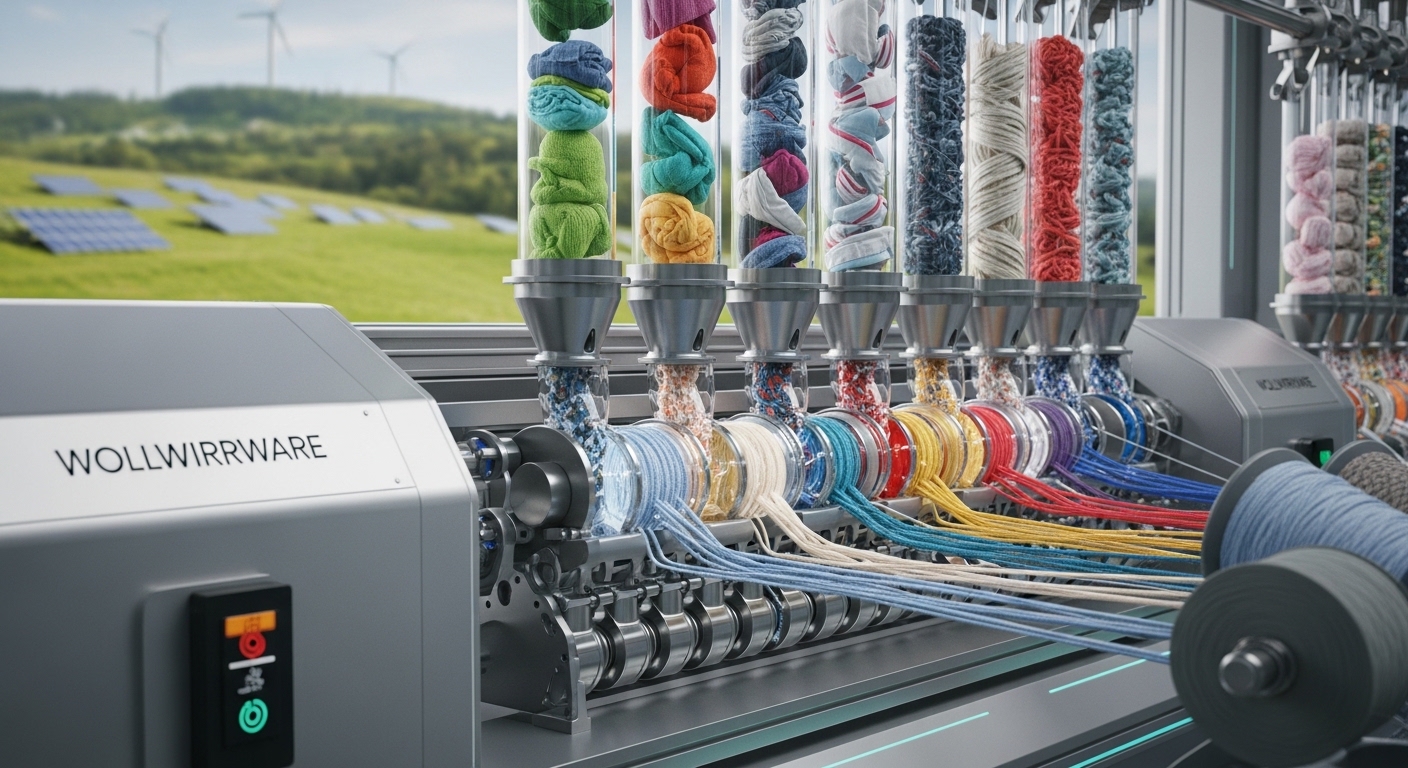
Within the circular framework, yarn production is reimagined to minimize waste at every stage. Fiber scraps generated during spinning are reprocessed into new yarn batches. Post-consumer textile waste is mechanically or chemically recycled into regenerated fibers. Renewable energy sources power production facilities, reducing carbon emissions.
The influence of global sustainability goals, such as the United Nations Sustainable Development Goals, reinforces the importance of such approaches. By aligning yarn manufacturing with environmental targets, Wollwirrware ensures that production systems contribute positively to both ecological balance and economic resilience.
The following table illustrates how circular strategies enhance yarn sustainability.
| Circular Strategy | Application in Yarn Production | Environmental Benefit |
|---|---|---|
| Fiber Recycling | Reprocessing textile waste | Reduced landfill burden |
| Renewable Energy | Solar or wind-powered mills | Lower carbon footprint |
| Water Recycling | Closed-loop water systems | Reduced freshwater consumption |
| Biodegradable Packaging | Compostable shipping materials | Reduced plastic waste |
| Product Longevity | High-quality durable yarns | Extended lifecycle |
Through these strategies, Wollwirrware demonstrates how circular design can be seamlessly integrated into modern textile production.
Wollwirrware and Technological Innovation in Yarn Manufacturing
Technology plays a crucial role in advancing sustainable yarn systems. Automation, artificial intelligence, and smart monitoring systems now allow manufacturers to track resource consumption in real time. Energy-efficient spinning machines reduce electricity usage, while digital dyeing technologies limit water and chemical waste.
Innovative fibers such as lyocell and other regenerated cellulose materials are often compared to developments popularized by companies like Lenzing AG, known for sustainable fiber innovation. Similarly, brands like Patagonia have embraced recycled yarn technologies to lower environmental impact in apparel manufacturing. Wollwirrware reflects this spirit of innovation, positioning sustainability not as a constraint but as a catalyst for creative progress.
Technological integration also enhances traceability. Blockchain systems track fiber origin, ensuring transparency from farm to finished product. Consumers can verify ethical sourcing and environmental standards through digital platforms, strengthening trust between producers and buyers.
The integration of technology with sustainability creates a balanced approach where efficiency, transparency, and ecological care coexist harmoniously.
Wollwirrware and Ethical Sourcing Practices
Ethical sourcing is an essential pillar of sustainable yarn production. Environmental responsibility must be paired with social accountability. Fair wages, safe working conditions, and humane treatment of animals are critical components of responsible manufacturing.
The textile sector has faced scrutiny for labor exploitation and unsafe factories. Organizations such as Fair Trade International advocate for equitable labor practices across supply chains. Wollwirrware embraces similar ethical commitments by ensuring that fiber suppliers adhere to humane and fair standards.
Ethical wool sourcing involves responsible sheep farming that avoids harmful practices while maintaining animal welfare. Organic cotton cultivation reduces chemical exposure for farmers and surrounding communities. By prioritizing ethical sourcing, sustainable yarn production becomes a vehicle for social justice as well as environmental protection.
Wollwirrware in Global Textile Markets
The global textile industry is one of the largest manufacturing sectors in the world, valued in trillions of dollars annually. Consumer behavior is shifting rapidly toward eco-conscious purchasing decisions. Millennials and Generation Z buyers prioritize sustainability, transparency, and ethical production when selecting clothing brands.
Retailers and designers are increasingly incorporating sustainable yarns into their collections. High-profile fashion houses and independent designers alike are recognizing the marketing and ethical value of eco-friendly fibers. Wollwirrware symbolizes this shift by representing a production philosophy that resonates with environmentally aware consumers.
Economic data shows that sustainable products often command higher price points due to their perceived value and ethical credentials. However, advances in manufacturing efficiency are gradually reducing production costs, making sustainable yarn more accessible to mass markets.
Wollwirrware and Environmental Impact Reduction
Environmental impact reduction is central to the philosophy of Wollwirrware. Carbon emissions from textile manufacturing contribute significantly to global greenhouse gases. Water pollution from dyeing processes contaminates rivers and aquatic ecosystems.
Modern sustainable yarn production addresses these challenges through innovative solutions. Low-impact dyes, waterless coloring technologies, and biodegradable finishing treatments reduce environmental harm. Closed-loop manufacturing ensures that waste materials are continuously reused.
The impact reduction potential can be summarized in the following table.
| Environmental Factor | Conventional Production | Wollwirrware Approach | Result |
|---|---|---|---|
| Carbon Emissions | Fossil fuel reliance | Renewable energy | Significant reduction |
| Water Usage | High consumption | Closed-loop systems | Major conservation |
| Chemical Waste | Toxic effluents | Eco-friendly alternatives | Reduced pollution |
| Textile Waste | Landfill disposal | Fiber recycling | Circular reuse |
| Soil Degradation | Intensive farming | Regenerative agriculture | Improved soil health |
Through systematic improvements in each of these areas, sustainable yarn production minimizes ecological damage while maintaining product quality.
Wollwirrware and Consumer Awareness
Consumer awareness plays a vital role in accelerating sustainable innovation. Education about fiber origins, manufacturing processes, and environmental impacts empowers buyers to make informed decisions. Transparency labels and certifications provide valuable guidance.
Digital platforms and social media amplify conversations about sustainable fashion. Influencers, environmental activists, and designers collaborate to promote eco-conscious lifestyles. As awareness spreads, demand for responsibly produced yarn continues to rise.
Wollwirrware thrives in this environment because it aligns with evolving consumer values. It offers a tangible solution to environmental concerns while delivering high-performance textile materials suitable for diverse applications.
Wollwirrware and the Future Outlook of Textile Sustainability
The future of sustainable yarn production appears promising. Emerging research in biodegradable synthetic alternatives and bioengineered fibers is expanding the possibilities of eco-friendly textiles. Collaborative partnerships between research institutions, manufacturers, and fashion brands accelerate innovation.
Government regulations aimed at reducing carbon emissions and promoting circular economies further support sustainable manufacturing initiatives. Investment in renewable energy infrastructure enhances the feasibility of low-impact production facilities.
Wollwirrware represents not just a single product or brand but a broader movement toward responsible textile creation. Its emphasis on renewable materials, ethical sourcing, technological integration, and circular design reflects the evolving priorities of the global industry.
Conclusion
Wollwirrware stands as a powerful representation of how sustainable yarn production is reshaping the future of the textile industry. By combining renewable raw materials, ethical sourcing, circular economy integration, and technological innovation, this forward-thinking approach addresses the environmental and social challenges that have long defined conventional manufacturing systems. It reflects a shift from short-term profit models toward long-term ecological responsibility and resilience.
As industries move toward climate-conscious strategies and consumers become increasingly selective about the products they purchase, sustainable yarn innovation will remain central to textile transformation. Wollwirrware symbolizes more than a manufacturing concept; it represents a comprehensive commitment to environmental stewardship, ethical accountability, and future-focused design. By embracing these principles, the textile sector can move confidently toward a cleaner, more responsible, and economically sustainable future.