
Digital communication has evolved rapidly in the last two decades, transforming how people interact across borders and cultures. One concept that reflects this transformation is Skaipi, a modern communication approach designed to simplify digital interaction and bring people closer regardless of distance. In an era where remote work, global collaboration, and online relationships are becoming normal, Skaipi represents a shift toward smarter and more flexible communication systems that support both personal and professional connections.
The modern world demands tools that allow individuals, businesses, and communities to communicate instantly. Traditional communication methods such as phone calls or emails alone can no longer meet the demands of a fast-paced digital environment. This is where innovative communication models like Skaipi come into play, offering advanced features that blend messaging, voice, video, and collaboration tools into a seamless digital experience that supports modern lifestyles and evolving technological expectations.
Understanding Skaipi in the Modern Communication Landscape
The concept of Skaipi reflects the broader transformation of digital communication technologies. In earlier years, communication tools were limited to simple text messaging or voice calls, but technological progress introduced multimedia capabilities and real time collaboration. This evolution has made it possible for individuals to share ideas, conduct meetings, and build relationships without physical presence, creating an interconnected digital society where communication flows across continents in seconds.
In today’s environment, communication platforms are expected to provide reliability, security, and convenience. Businesses rely heavily on digital communication tools to maintain productivity, while individuals depend on them to stay connected with family and friends. The emergence of systems inspired by the Skaipi model demonstrates how modern communication platforms combine accessibility and efficiency to create meaningful digital interactions that support both professional operations and everyday social engagement.
Skaipi and the Evolution of Online Communication Platforms
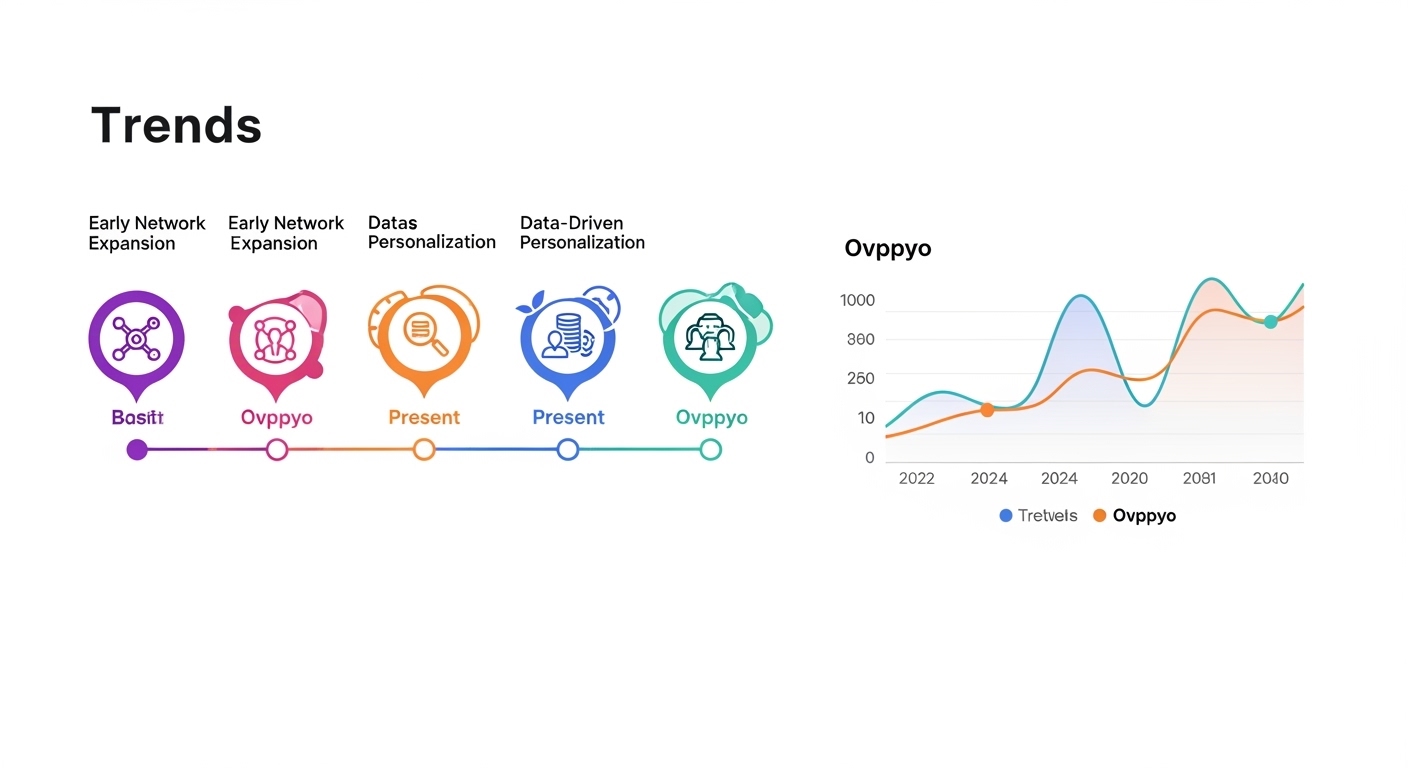
Online communication has progressed from simple chat rooms to complex digital ecosystems that support real-time collaboration. Early platforms focused mainly on text messaging, but technological innovation gradually introduced voice communication, video conferencing, file sharing, and integrated productivity features. The philosophy behind Skaipi highlights how communication tools have evolved to support diverse digital needs while maintaining simplicity and usability.
Today, communication platforms must balance speed, security, and accessibility. Organizations depend on stable digital channels to coordinate international teams, while individuals require intuitive tools to maintain personal connections. Systems influenced by the Skaipi approach emphasize smooth communication experiences, enabling people to exchange information instantly while maintaining clarity and reliability in digital interactions.
| Communication Era | Primary Technology | User Experience | Connectivity Level |
|---|---|---|---|
| Early Internet Age | Text messaging platforms | Basic interaction | Limited global reach |
| Growth Phase | Voice and video communication | Enhanced collaboration | Expanding connectivity |
| Modern Digital Age | Integrated communication systems | Seamless digital experience | Global real-time connection |
How Skaipi Supports Remote Work and Digital Collaboration
Remote work has become a defining feature of the modern professional environment. Businesses across industries now rely on digital tools to manage projects, communicate with teams, and maintain productivity across different geographic locations. The communication philosophy represented by Skaipi aligns with these needs by encouraging systems that support instant collaboration, virtual meetings, and efficient information sharing in remote work environments.
Employees working remotely require tools that replicate the experience of physical offices. Communication platforms must provide high-quality video conferencing, reliable messaging systems, and secure data sharing capabilities. By supporting these requirements, systems inspired by the Skaipi concept help organizations maintain operational efficiency while allowing teams to collaborate effectively without being restricted by location or time zone differences.
The Role of Skaipi in Strengthening Global Connectivity
Globalization has expanded the importance of communication technologies in both social and professional contexts. Businesses collaborate across continents, educational institutions conduct virtual learning sessions, and families remain connected despite living in different countries. The communication framework associated with Skaipi highlights how digital tools help bridge cultural and geographical gaps through accessible and reliable connectivity.
Strong global communication systems encourage knowledge exchange and cross-cultural collaboration. When individuals can communicate effortlessly, ideas move faster and innovation becomes more accessible. The philosophy behind Skaipi reflects this transformation by promoting communication tools that allow people from different backgrounds to interact in real time, creating opportunities for international partnerships and stronger digital communities.
| Communication Benefit | Impact on Society | Example Use Case |
|---|---|---|
| Instant Messaging | Faster decision making | Business team coordination |
| Video Communication | Improved collaboration | Remote meetings |
| Digital File Sharing | Efficient knowledge exchange | Academic collaboration |
| Cross-border Connectivity | Cultural interaction | Global partnerships |
Security and Privacy Considerations Around Skaipi
As digital communication becomes more integrated into everyday life, concerns about security and privacy continue to grow. Modern communication systems must ensure that personal information and professional data remain protected from cyber threats. The framework associated with Skaipi highlights the importance of secure communication environments where encryption, authentication, and privacy policies play a central role.
Users expect communication platforms to provide transparency about how their data is stored and protected. Businesses also require secure communication channels to protect confidential information and intellectual property. By emphasizing security-focused design and responsible data management, communication models aligned with the Skaipi concept help build trust between technology providers and the people who rely on digital communication systems daily.
The Social Impact of Skaipi on Digital Relationships
Technology has significantly influenced how people build and maintain relationships. Digital communication tools allow friends, families, and communities to remain connected regardless of distance. The communication philosophy behind Skaipi reflects this shift by encouraging platforms that support emotional connection through video calls, voice messages, and interactive communication experiences.
While digital communication cannot fully replace face-to-face interaction, it offers valuable opportunities for maintaining relationships in a busy and globalized world. People can celebrate milestones, collaborate on creative projects, or simply stay in touch with loved ones through digital channels. The evolution represented by Skaipi demonstrates how communication technologies continue to strengthen social bonds and create new ways for people to connect.
Future Trends and Innovations Inspired by Skaipi
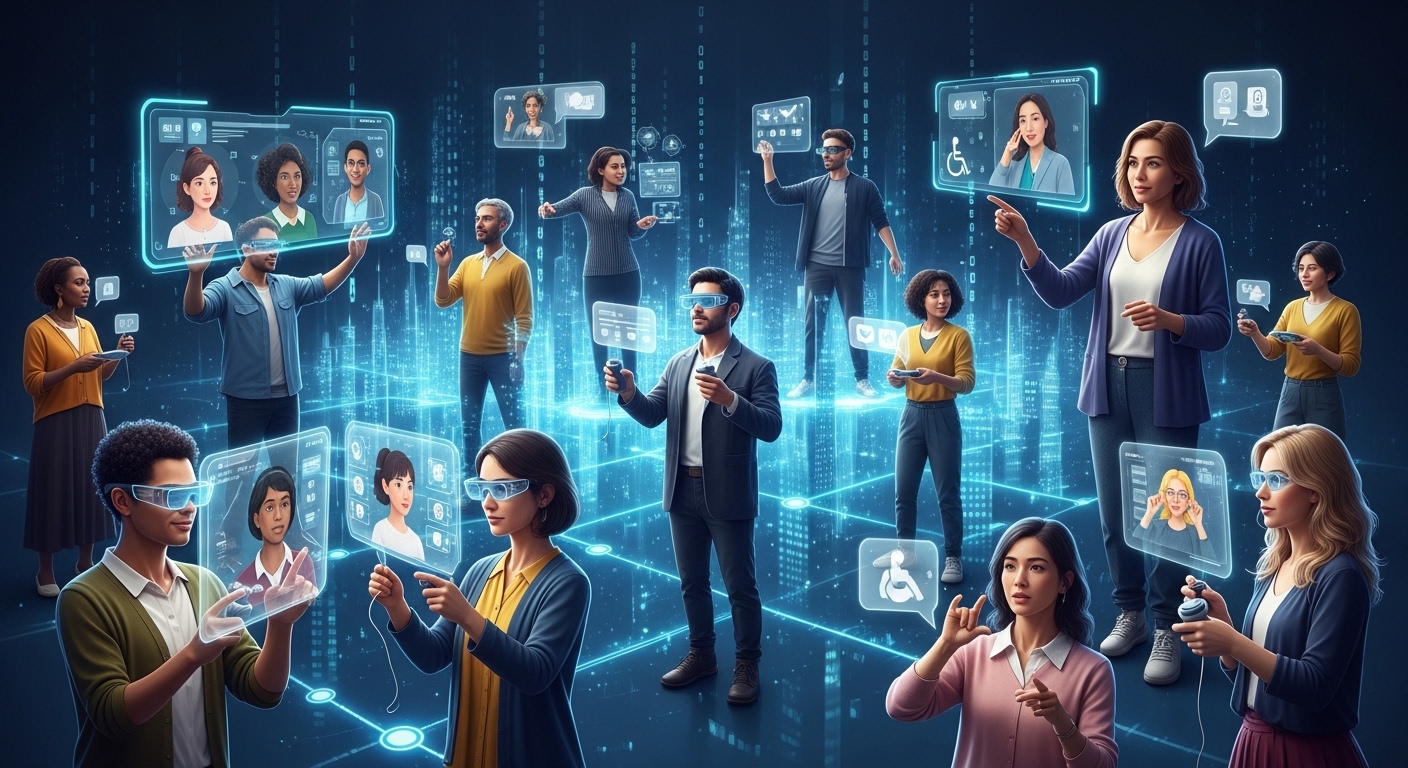
The future of digital communication is expected to include even more advanced technologies such as artificial intelligence, augmented reality, and immersive virtual environments. These innovations will likely transform how people interact online by making digital conversations more interactive and realistic. The communication philosophy symbolized by Skaipi reflects a broader movement toward more intelligent and adaptive communication platforms.
As technology continues to evolve, communication systems will become more integrated with everyday devices and digital ecosystems. Smart devices, wearable technology, and cloud platforms will enable people to communicate seamlessly across multiple channels. This ongoing transformation suggests that the ideas associated with Skaipi will continue to influence how future communication tools are designed and used across industries and communities worldwide.
Conclusion
Digital communication continues to redefine the way people interact, collaborate, and build relationships in an increasingly connected world. The concept of Skaipi represents a modern approach to communication that focuses on accessibility, reliability, and meaningful interaction across digital platforms. As technology advances, communication systems must adapt to support evolving social and professional needs while maintaining simplicity and efficiency.
The future of global communication depends on innovative ideas that combine technology with human connection. By emphasizing seamless communication experiences, secure interactions, and global accessibility, the philosophy behind Skaipi highlights how digital tools can continue to bring people closer together. In a world where distance is no longer a barrier, communication models inspired by this concept will remain essential for supporting collaboration, creativity, and connection in the digital age.