

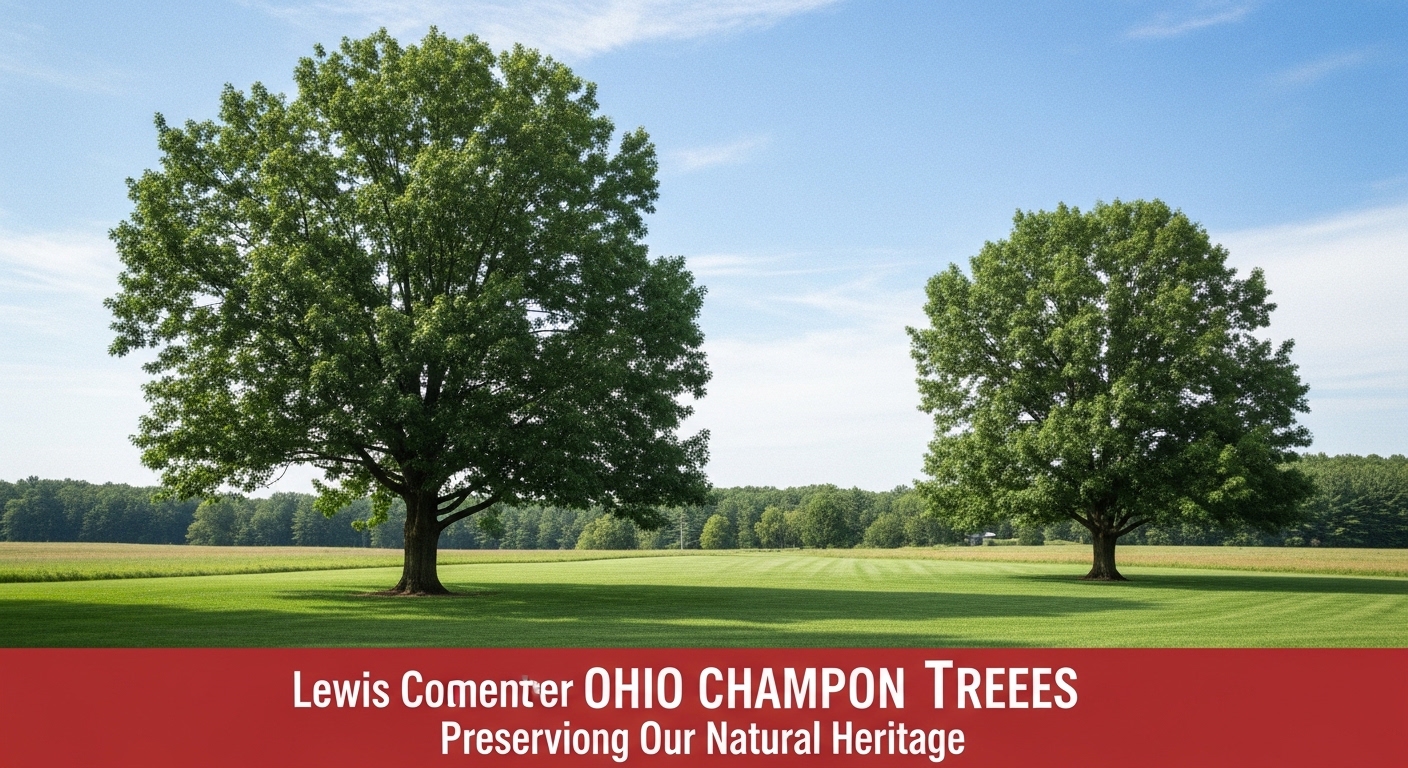
Lewis Center Ohio champion trees stand as living testaments to the region’s rich ecological history and natural beauty. These remarkable trees, recognized for their size, age, and ecological significance, are not just ordinary flora; they symbolize the heritage and environmental legacy of the area. Preserving them ensures that future generations can experience the grandeur and ecological importance that these trees represent. Communities around Lewis Center have grown increasingly aware of the need to protect these arboreal giants, as they play a crucial role in local ecosystems, providing shelter for wildlife, improving air quality, and stabilizing the soil.
The awareness surrounding Lewis Center Ohio champion trees has also extended to educational and recreational programs. Schools and local organizations often integrate these trees into environmental learning initiatives, helping residents, especially children, connect with nature. Beyond their environmental importance, champion trees enhance the aesthetic appeal of neighborhoods and parks, attracting visitors and promoting eco-tourism. By maintaining and celebrating these trees, Lewis Center ensures that its natural heritage remains an enduring part of the community’s identity and cultural pride.
The Ecological Importance of Champion Trees
Champion trees in Lewis Center Ohio serve as critical components of local ecosystems. Their expansive canopies and deep root systems support biodiversity, offering habitats for birds, insects, and small mammals. These trees help regulate temperature by providing shade and reducing the urban heat effect, making communities more livable. Additionally, they contribute to soil health and water retention, preventing erosion and supporting nearby plant life. The preservation of these trees is not only a matter of pride but also a vital ecological strategy to maintain the balance of natural resources in Lewis Center.
Furthermore, the ecological impact of Lewis Center Ohio champion trees extends to air and water quality. Large trees sequester carbon dioxide, produce oxygen, and filter pollutants from the air, contributing to cleaner and healthier environments. Their root systems also act as natural filters, preventing contaminants from reaching waterways. By recognizing and protecting champion trees, Lewis Center demonstrates a commitment to environmental stewardship, ensuring that its forests, parks, and open spaces continue to thrive for decades. The integration of these ecological benefits into community planning highlights the intersection of nature conservation and sustainable living.
Historical Significance of Lewis Center Ohio Champion Trees
Many Lewis Center Ohio champion trees are living witnesses to centuries of history. Some date back hundreds of years, predating modern developments and serving as silent observers of the town’s growth. These trees provide a tangible link to the past, allowing residents to connect with the natural history of the area. They have often been part of local landmarks, gathering spots, and even historical events, making their preservation a cultural responsibility as much as an environmental one.
Preserving these historical giants fosters community identity and pride. Local historians and environmentalists often document the stories surrounding specific champion trees, capturing their significance in regional archives. These trees not only tell ecological tales but also human narratives, connecting generations through shared experiences. The cultural value of Lewis Center Ohio champion trees reinforces the importance of conservation efforts, ensuring that the lessons and beauty of the past remain accessible to present and future generations.
Community Efforts in Tree Preservation
The conservation of Lewis Center Ohio champion trees relies heavily on community involvement. Local organizations, government agencies, and volunteers actively participate in monitoring tree health, protecting trees from urban development, and promoting awareness about their importance. Educational workshops, tree planting initiatives, and preservation campaigns encourage residents to engage with their natural surroundings and take responsibility for safeguarding local champions. These efforts help foster a strong sense of environmental stewardship across the community.
Additionally, partnerships between schools, local businesses, and conservation groups amplify the impact of preservation projects. Community-driven initiatives often involve adopting trees, monitoring growth, and reporting diseases or damage. Lewis Center Ohio champion trees thus become symbols of collective responsibility, where the community collaborates to ensure that these natural treasures remain healthy and protected. The active involvement of local residents is crucial in maintaining the ecological, historical, and cultural significance of champion trees in Lewis Center.
Educational Value and Awareness
Lewis Center Ohio champion trees are invaluable educational resources. Schools and environmental programs utilize these natural giants to teach students about biology, ecology, and conservation practices. By observing the growth patterns, age, and ecological roles of champion trees, students gain practical knowledge about the environment. This hands-on learning approach strengthens the connection between young people and the natural world, inspiring future generations to value and protect their surroundings.
Awareness campaigns also highlight the benefits of tree preservation beyond education. Community events, guided tours, and informational signage help residents and visitors understand the significance of Lewis Center Ohio champion trees. These initiatives promote respect for natural habitats and encourage sustainable behavior, such as responsible planting, minimizing pollution, and supporting conservation efforts. The educational role of champion trees thus extends beyond classrooms, shaping a culture of environmental responsibility across the community.
Table of Notable Lewis Center Ohio Champion Trees
| Tree Species | Estimated Age | Height (ft) | Circumference (in) | Location |
|---|---|---|---|---|
| White Oak | 250 years | 90 | 180 | Heritage Park |
| American Elm | 180 years | 75 | 160 | Central Greenway |
| Sugar Maple | 200 years | 85 | 170 | Oakwood Trails |
| Red Maple | 150 years | 70 | 140 | Pinecrest Park |
| Tulip Tree | 220 years | 95 | 190 | Meadow View Reserve |
This table illustrates the diversity and grandeur of Lewis Center Ohio champion trees. Each species offers unique ecological benefits, historical significance, and visual appeal, making them critical to the preservation of the area’s natural heritage.
Challenges in Preservation
Despite the efforts to protect them, Lewis Center Ohio champion trees face significant challenges. Urban development, pollution, invasive species, and climate change threaten the health and longevity of these natural giants. Construction projects may inadvertently damage root systems, while environmental changes can make trees more susceptible to diseases and pests. Managing these threats requires careful planning, monitoring, and intervention to ensure that champion trees continue to thrive.
Proactive strategies are essential to mitigate these risks. Preservation plans include regular health assessments, soil testing, pruning, and disease management. Community involvement is equally important, as residents can help report issues, participate in tree care, and advocate for protective policies. By addressing these challenges collectively, Lewis Center can safeguard its champion trees, ensuring that these living monuments remain a vital part of the local landscape.
Future of Lewis Center Ohio Champion Trees
The future of Lewis Center Ohio champion trees depends on sustained conservation efforts and community engagement. As awareness grows about their ecological, historical, and educational significance, more resources are being directed toward preservation programs. These initiatives aim to expand green spaces, plant new trees to replace aging ones, and integrate champion tree conservation into urban planning. By prioritizing tree preservation, Lewis Center demonstrates its commitment to maintaining a healthy and vibrant environment for future generations.
Investing in the protection of these trees also ensures continuity in cultural heritage. Through education, community projects, and sustainable practices, residents can foster a lasting bond with their natural surroundings. The legacy of Lewis Center Ohio champion trees will continue to inspire environmental stewardship, providing beauty, shade, and ecological balance for decades to come. These living giants are more than just trees they are symbols of resilience, history, and the shared responsibility to preserve nature.
Conclusion
Lewis Center Ohio champion trees embody the intersection of ecology, history, and community. Their preservation is essential not only for environmental sustainability but also for cultural heritage and educational enrichment. By recognizing their value, engaging in active conservation, and fostering community participation, Lewis Center ensures that these natural treasures remain a cornerstone of local identity. Protecting champion trees is a shared responsibility, one that honors the past while safeguarding the future. As living monuments to nature’s grandeur, Lewis Center Ohio champion trees remind us of the importance of nurturing and preserving our natural heritage for generations to come.