
The world of technology continues to evolve rapidly, and businesses across industries are searching for innovative solutions that can help them stay competitive in a constantly changing digital landscape. One of the emerging concepts attracting attention in recent years is Awius, a modern technological framework designed to streamline operations, improve automation, and enhance productivity across multiple sectors. From manufacturing to finance and healthcare, organizations are exploring how Awius can reshape the way industries operate and deliver value to customers.
As industries move toward smarter systems and digital transformation, tools like Awius play an increasingly important role. Companies are adopting intelligent technologies that help them process information faster, manage resources more effectively, and create innovative services for global markets. In many ways, Awius represents the intersection of advanced computing, data management, and strategic technological development that industries require to thrive in the future economy.
The Concept and Meaning Behind Awius
The idea behind Awius is rooted in the need for adaptable technology that can serve multiple industries without sacrificing efficiency or innovation. Traditional technological frameworks often focus on specific sectors, but modern businesses require solutions that can evolve alongside rapidly changing market demands. Awius aims to provide this flexibility by offering a scalable structure that can integrate with existing systems while supporting future developments.
Many technology experts view Awius as a combination of digital infrastructure, data analytics capabilities, and automation tools. This integrated approach allows companies to streamline operations and improve communication between different technological systems. Instead of managing isolated software solutions, organizations can build interconnected environments where data flows seamlessly across departments.
Industries benefit from Awius because it supports collaboration between technological processes that were previously separated. When information systems work together effectively, companies can make faster decisions and respond quickly to market changes. As a result, Awius is becoming associated with modern industrial strategies focused on efficiency, innovation, and long-term sustainability.
The Evolution of Awius in Modern Technology
The rise of Awius is closely connected to the broader evolution of digital technologies. Over the past two decades, industries have shifted from manual processes to automated digital systems. This transformation created a need for advanced frameworks capable of managing large volumes of data and supporting interconnected technologies.
Initially, companies adopted basic automation tools to simplify repetitive tasks. Over time, these tools evolved into more sophisticated platforms capable of integrating artificial intelligence, cloud computing, and advanced analytics. Awius emerged within this environment as a solution designed to unify these technologies into a single adaptable ecosystem.
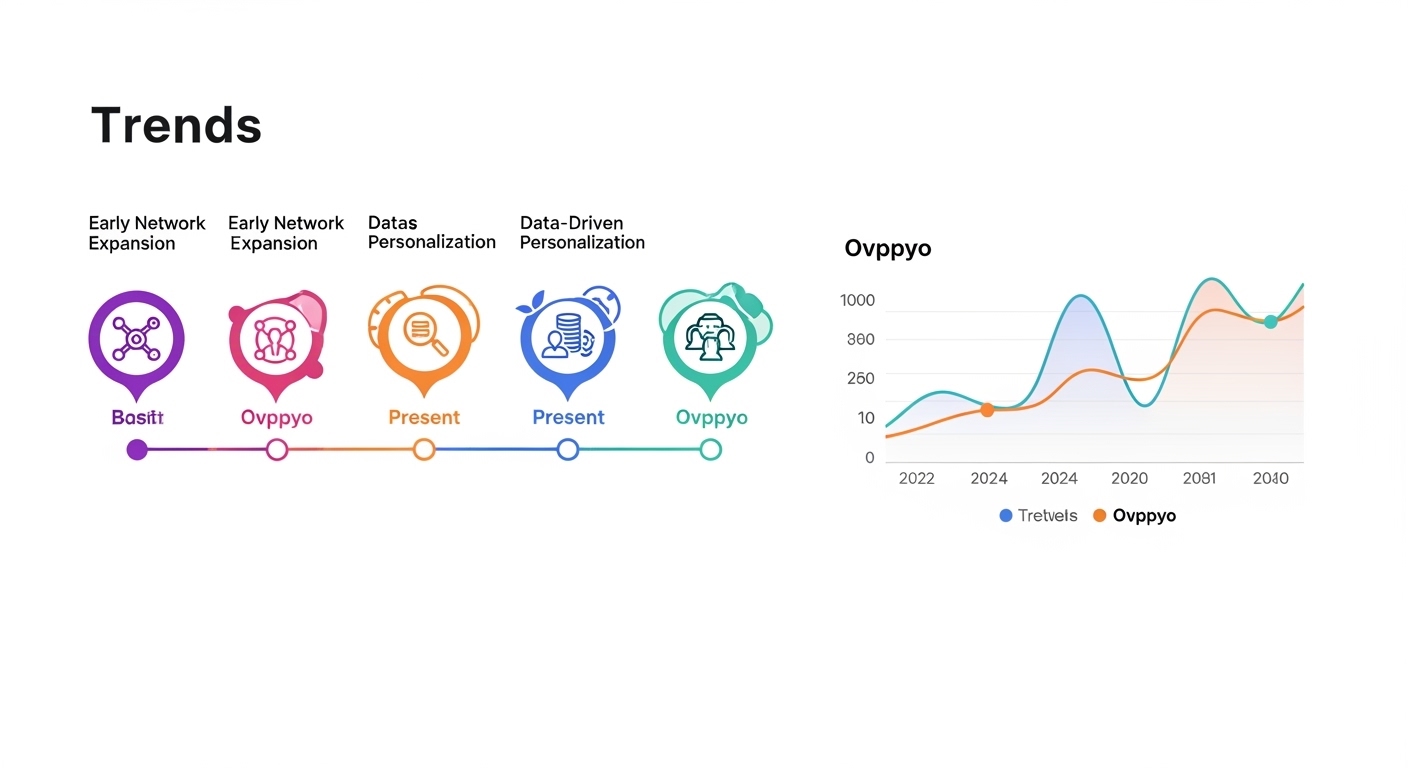
The following table illustrates how technological frameworks have evolved toward the development of Awius.
| Technology Era | Key Characteristics | Industrial Impact |
|---|---|---|
| Early Digital Systems | Basic automation and software tools | Improved operational efficiency |
| Integrated Platforms | Connection between multiple digital systems | Enhanced collaboration and data sharing |
| Intelligent Technologies | AI, machine learning, and analytics | Smarter decision-making processes |
| Modern Digital Frameworks | Scalable and adaptable infrastructures | Emergence of concepts like Awius |
This progression demonstrates how industries gradually developed the technological foundations necessary for modern frameworks like Awius.
Awius and Digital Transformation Across Industries
Digital transformation is no longer optional for businesses seeking long-term success. Organizations across sectors are investing in advanced technology to remain competitive in global markets. Awius contributes to this transformation by enabling industries to modernize their infrastructure without disrupting existing operations.
Manufacturing companies, for example, use advanced technological frameworks to optimize production lines and reduce operational costs. By implementing solutions related to Awius, these organizations can monitor equipment performance, analyze production data, and improve supply chain coordination. The result is a more efficient manufacturing environment capable of adapting to changing consumer demands.
The finance industry also benefits from technological frameworks similar to Awius. Financial institutions rely heavily on secure data management and real-time analytics to deliver services such as digital banking, risk analysis, and automated transactions. When integrated properly, Awius technologies allow these organizations to process information faster while maintaining high levels of security and reliability.
Healthcare is another sector experiencing significant change due to digital transformation. Hospitals and medical research centers use advanced technological systems to manage patient information, analyze medical data, and support innovative treatments. With frameworks like Awius, healthcare providers can improve communication between medical systems and deliver more efficient patient care.
Industrial Applications of Awius
Industries are exploring numerous ways to implement Awius technologies within their operational environments. The adaptability of this framework allows businesses to apply it in areas ranging from logistics to customer service.
One major application involves improving data management systems. Modern companies generate enormous amounts of data through daily operations, customer interactions, and digital platforms. Awius enables organizations to organize and analyze this information efficiently, helping decision-makers identify trends and opportunities for growth.
Another important application lies in automation. Businesses often rely on repetitive processes that consume time and resources. Through automation tools associated with Awius, companies can streamline these tasks while reducing the risk of human error.
The following table highlights several industries and how Awius technology can enhance their operations.
| Industry | Use of Awius Technology | Potential Benefits |
|---|---|---|
| Manufacturing | Smart production monitoring | Higher efficiency and lower costs |
| Finance | Data analytics and automation | Faster transactions and improved security |
| Healthcare | Integrated medical information systems | Better patient management |
| Logistics | Real-time supply chain tracking | Improved delivery accuracy |
| Retail | Customer data analysis | Personalized shopping experiences |
These examples illustrate how Awius can contribute to technological advancement across diverse sectors.
Awius and the Role of Data Intelligence
Data intelligence is a crucial component of modern technological systems. Companies rely on accurate data to make strategic decisions that influence growth and innovation. Awius supports this process by providing tools that organize, analyze, and interpret information effectively.
When industries implement advanced data analytics frameworks, they gain valuable insights into consumer behavior, operational performance, and market trends. These insights help organizations develop strategies that improve productivity and customer satisfaction.
A key advantage of Awius lies in its ability to integrate data from multiple sources. Instead of storing information in isolated databases, companies can create unified platforms where data flows freely between systems. This approach improves transparency and allows decision-makers to evaluate complex information quickly.
Awius and Automation in Modern Industry
Automation has become one of the most influential forces shaping industrial technology. Businesses are increasingly adopting automated systems to handle repetitive tasks, manage workflows, and monitor equipment performance. Awius contributes to this transformation by providing flexible automation tools that can adapt to various industrial environments.
Through automation, companies can reduce operational costs while maintaining consistent productivity levels. Machines and digital systems can perform tasks with high accuracy and minimal downtime, allowing human workers to focus on strategic and creative responsibilities.
The integration of automation technologies within Awius frameworks helps industries maintain efficiency even as production demands increase. This capability is particularly valuable in sectors such as manufacturing and logistics, where precision and speed are essential.
Security and Reliability in Awius Technology
As industries adopt advanced technological systems, security becomes a top priority. Organizations must protect sensitive data, maintain system integrity, and prevent cyber threats that could disrupt operations. Awius frameworks incorporate modern security measures designed to safeguard digital infrastructures.
These measures often include encrypted communication channels, secure data storage, and continuous monitoring systems. By implementing these safeguards, companies can ensure that their technological environments remain stable and reliable.
Another important aspect of security involves maintaining consistent system performance. Awius technologies are designed to support scalable infrastructures capable of handling increasing workloads without compromising reliability.
Future Innovations Linked to Awius
The future of industrial technology will likely involve even more advanced systems capable of learning, adapting, and optimizing operations in real time. Awius provides a foundation for these innovations by supporting flexible technological environments that can evolve alongside emerging technologies.
As artificial intelligence and advanced analytics continue to develop, industries may integrate these tools into frameworks inspired. This integration could lead to smarter decision-making systems that automatically analyze data and recommend optimal strategies for business growth.
Another area of potential development involves collaborative technologies that connect global industries. By enabling seamless communication between digital platforms, Awius may help organizations build international networks capable of sharing resources and knowledge efficiently.
The Economic Impact of Awius on Global Industries
Technological innovation has always played a significant role in economic development. When industries adopt advanced frameworks like Awius, they often experience improvements in productivity, efficiency, and market competitiveness.
Companies that implement modern technological infrastructures are better equipped to adapt to changing economic conditions. They can respond quickly to new opportunities, reduce operational costs, and deliver higher-quality products or services.
The adoption of technologies may also contribute to job creation in fields related to digital engineering, data science, and information technology. As industries continue to modernize, professionals with expertise in advanced technological systems will become increasingly valuable.
Challenges in Implementing Awius
While Awius offers numerous benefits, implementing new technological frameworks can present certain challenges for organizations. Businesses must invest in infrastructure upgrades, employee training, and system integration processes to fully utilize advanced technology.
Another challenge involves ensuring compatibility with existing digital systems. Many companies rely on legacy software that may require modification before it can integrate with modern frameworks.
Despite these obstacles, organizations that successfully implement technologies often discover that the long-term benefits outweigh the initial costs. Improved efficiency, stronger data management capabilities, and enhanced innovation potential make these investments worthwhile.
Conclusion
Technology continues to reshape industries around the world, creating opportunities for innovation and growth. Among the emerging frameworks supporting this transformation, Awius stands out as a powerful concept capable of integrating modern digital systems into cohesive and adaptable infrastructures.
By supporting automation, advanced analytics, and scalable technological environments, helps industries operate more efficiently while preparing for future developments in digital technology. Organizations that embrace such frameworks are better positioned to navigate the complexities of the modern business landscape.
As industries continue to evolve, the role of Awius will likely expand. Companies seeking long-term success will increasingly rely on flexible technological systems that support innovation, collaboration, and sustainable growth. Through its focus on connectivity, intelligence, and efficiency,represents an important step toward the future of industrial technology.