

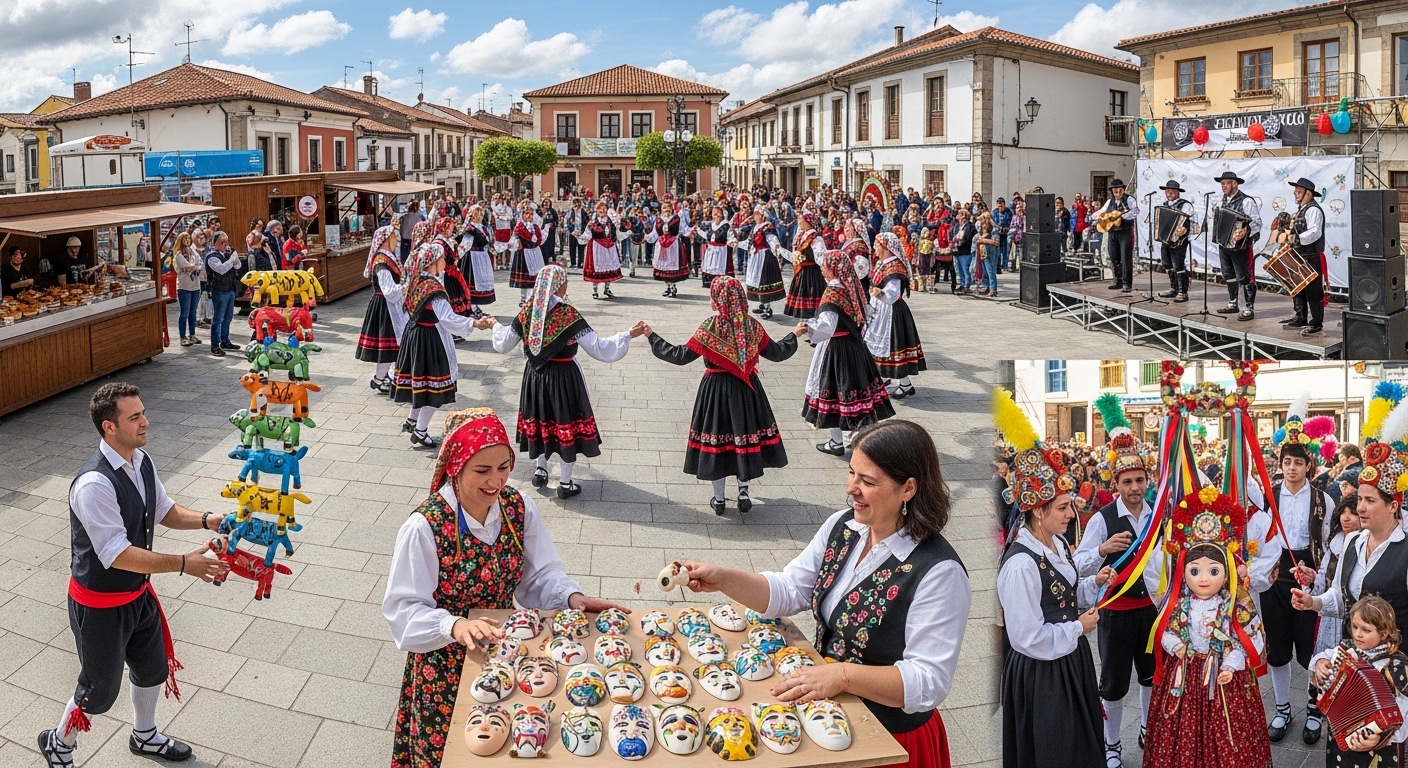
The term Ciulioneros represents a vibrant cultural identity shaped by traditions, festivals, and unique customs that have been preserved across generations. Communities connected with Ciulioneros celebrate heritage, creativity, and unity through various cultural expressions that highlight their shared values. These traditions are not only a reflection of history but also a living example of how communities continue to evolve while maintaining their cultural roots.
In modern society, cultural identities often face the challenge of balancing modernization with the preservation of heritage. Within this context, Ciulioneros stands as an example of how cultural traditions can remain relevant and meaningful. The practices associated with Ciulioneros include community gatherings, seasonal festivals, traditional music, distinctive clothing styles, and storytelling traditions that connect the past with the present.
Understanding Ciulioneros requires exploring the deeper cultural elements that define the community. These elements include historical influences, rituals connected with seasonal celebrations, artistic traditions, and the role of families and elders in passing knowledge to younger generations. Together, these aspects create a dynamic cultural environment where heritage continues to flourish while adapting to contemporary life.
Historical Roots of Ciulioneros
The historical roots associated with Ciulioneros can be traced back to early community traditions where cultural identity was closely linked with land, family structures, and collective celebrations. Historically, communities built their traditions around agriculture, local craftsmanship, and communal living. These elements influenced the formation of customs that would later become symbolic aspects of Ciulioneros culture.
In earlier times, cultural identity was preserved through oral storytelling, ceremonial gatherings, and seasonal events. Elders played a crucial role in maintaining these traditions by sharing stories, songs, and rituals with younger generations. Over time, these traditions became deeply embedded in the cultural framework associated with Ciulioneros.
Historical development also introduced influences from neighboring cultures and trade routes, which contributed new ideas, artistic expressions, and ceremonial practices. Instead of replacing earlier traditions, these influences blended with existing customs, creating a unique cultural identity that remains distinctive today.
The following table presents an overview of historical influences that contributed to the development of Ciulioneros traditions.
| Historical Element | Cultural Influence | Long-Term Impact |
|---|---|---|
| Agricultural Lifestyle | Seasonal rituals and harvest festivals | Strengthened community bonds |
| Oral Storytelling | Preservation of history and values | Cultural continuity |
| Local Craftsmanship | Traditional clothing and decorations | Artistic heritage |
| Community Gatherings | Collective celebrations | Social unity |
These historical foundations continue to influence modern interpretations of Ciulioneros culture.
Cultural Identity within Ciulioneros Communities
Cultural identity plays a central role in the traditions associated with Ciulioneros. Members of the community often view cultural participation as a responsibility that connects individuals with their ancestors and with future generations. Through celebrations, artistic performances, and shared meals, communities reinforce a sense of belonging.
Families serve as the primary guardians of cultural heritage. Within many households, children learn about traditional customs through everyday experiences such as preparing festival foods, listening to traditional music, or participating in ceremonial gatherings. These experiences shape their understanding of cultural values and encourage pride in their heritage.
Another important aspect of Ciulioneros culture is the emphasis on unity and collaboration. Community members often work together to organize festivals, maintain cultural spaces, and support artistic activities. These efforts strengthen social relationships and ensure that traditions remain vibrant.
The cultural structure within Ciulioneros communities can be summarized in the following table.
| Cultural Component | Description | Role in Community |
|---|---|---|
| Family Traditions | Customs practiced within households | Transfer of cultural knowledge |
| Community Events | Festivals and social gatherings | Strengthening unity |
| Artistic Expression | Music, dance, and crafts | Cultural creativity |
| Storytelling | Oral sharing of history | Preservation of identity |
Through these interconnected elements, the cultural identity associated with Ciulioneros remains strong and resilient.
Traditional Festivals Celebrated by Ciulioneros
Festivals form one of the most recognizable aspects of Ciulioneros culture. These events are often vibrant celebrations that combine music, dance, colorful clothing, and traditional foods. They serve both as entertainment and as meaningful cultural rituals.
Many festivals are tied to seasonal cycles such as harvest periods or the beginning of new agricultural seasons. During these celebrations, communities gather in central locations such as village squares or cultural centers. Music performances, dance presentations, and communal meals create a festive atmosphere that encourages participation from people of all ages.
The preparation for these festivals often begins weeks in advance. Families work together to create decorations, prepare traditional dishes, and rehearse musical performances. This preparation process itself becomes an important part of the cultural experience, allowing people to reconnect with traditions while building stronger community relationships.
The table below illustrates the general structure of festival activities associated with Ciulioneros.
| Festival Activity | Cultural Meaning | Community Role |
|---|---|---|
| Music Performances | Expression of heritage | Entertainment and storytelling |
| Traditional Dances | Celebration of history | Cultural pride |
| Communal Meals | Sharing food and hospitality | Strengthening relationships |
| Decorative Displays | Artistic expression | Cultural identity |
These festivals represent more than simple celebrations; they symbolize the ongoing vitality of Ciulioneros traditions.
Unique Customs within Ciulioneros Culture
Unique customs help distinguish Ciulioneros culture from other cultural traditions. These customs often include symbolic rituals, special greetings, distinctive clothing styles, and traditional crafts that hold cultural meaning.
One common custom involves ceremonial clothing worn during important events. These garments often feature specific colors, patterns, and handcrafted details that reflect cultural symbolism. The clothing not only represents artistic skill but also communicates identity and respect for tradition.
Another distinctive custom involves storytelling sessions during gatherings. Elders and experienced storytellers share narratives about historical events, legendary figures, and moral lessons. These stories entertain audiences while also preserving cultural knowledge.
Traditional food preparation also plays a significant role in cultural customs. Many dishes are prepared using recipes that have been passed down through generations. Cooking together during festivals or family gatherings strengthens connections among community members.
The table below highlights several notable customs connected with Ciulioneros traditions.
| Custom | Description | Cultural Importance |
|---|---|---|
| Traditional Clothing | Handcrafted garments with symbolic patterns | Cultural representation |
| Storytelling Gatherings | Oral narratives shared with younger generations | Knowledge preservation |
| Communal Cooking | Preparation of traditional foods | Family unity |
| Ritual Greetings | Symbolic expressions of respect | Social harmony |
These customs illustrate how everyday activities can become meaningful expressions of cultural identity.
Music and Dance Traditions among Ciulioneros
Music and dance hold an essential place in Ciulioneros celebrations. Through rhythm, movement, and melody, communities express emotions, share stories, and celebrate cultural heritage.
Traditional music often features instruments that have been used for generations. These instruments create distinctive sounds that immediately evoke cultural memories. Songs frequently tell stories about historical events, community heroes, and important cultural values.
Dance performances are equally important. Dancers wear traditional clothing and perform choreographed movements that reflect historical narratives or symbolic themes. Each dance style carries cultural meaning, making performances both artistic and educational.
Music and dance are also used to welcome guests and mark important milestones such as weddings, seasonal festivals, and community anniversaries. These performances bring people together and reinforce a shared sense of identity.
The table below summarizes key elements of musical and dance traditions.
| Element | Description | Cultural Role |
|---|---|---|
| Traditional Instruments | Heritage musical tools | Preservation of sound traditions |
| Folk Songs | Storytelling through music | Cultural education |
| Festival Dances | Choreographed cultural performances | Community celebration |
| Ceremonial Music | Played during rituals | Symbolic significance |
Together, music and dance keep the spirit of Ciulioneros traditions alive.
Traditional Foods in Ciulioneros Celebrations
Food plays a powerful role in cultural celebrations. Within Ciulioneros gatherings, meals are often prepared using traditional methods and ingredients that have deep historical connections.
Many dishes are associated with specific festivals or seasons. Cooking is typically a communal activity. Families gather in kitchens or outdoor cooking areas to prepare large quantities of food for guests. The preparation process encourages conversation, laughter, and the sharing of memories.
| Food Tradition | Description | Cultural Meaning |
|---|---|---|
| Festival Meals | Special dishes prepared during celebrations | Symbol of abundance |
| Family Recipes | Passed through generations | Heritage preservation |
| Communal Cooking | Collective food preparation | Social bonding |
| Seasonal Ingredients | Locally sourced foods | Connection to nature |
These culinary traditions transform meals into meaningful cultural experiences.
The Role of Community Leadership in Ciulioneros Traditions
Community leadership plays an important role in maintaining and promoting cultural traditions. Leaders often organize festivals, coordinate cultural education programs, and ensure that younger generations understand the importance of heritage.
The Future of Ciulioneros Cultural Heritage
As societies continue to evolve, cultural traditions must adapt to changing circumstances. Digital technology, cultural documentation projects, and educational initiatives provide new opportunities for preserving traditions. Communities can record music, document stories, and share cultural knowledge with global audiences through modern platforms. The future of Ciulioneros culture will likely involve a combination of traditional practices and modern creativity, ensuring that heritage continues to inspire future generations.
Conclusion
The cultural traditions associated with Ciulioneros represent a rich tapestry of history, festivals, artistic expressions, and community values. From historical roots and vibrant festivals to unique customs and traditional foods, each element contributes to a cultural identity that has been preserved through generations.
The dedication of cultural leaders, families, and young participants ensures that these traditions remain alive and meaningful. Ultimately, Ciulioneros culture demonstrates the enduring power of community traditions. Through festivals, music, storytelling, and shared experiences, cultural identity continues to thrive and inspire people across generations.